

SCAPPS 2026 Conference
October 1-3, 2026 in Ottawa, ON



Keynote Speakers:
Motor Learning & Control Keynote
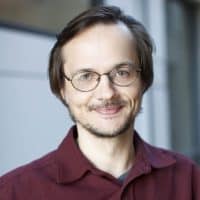 Dr. Paul Cisek is a full professor in the Department of Neuroscience at the University of Montreal. He has a background in computer science and artificial intelligence, doctoral training in computational neuroscience, and postdoctoral training in neurophysiological recording in non-human primates. His research combines these techniques into an interdisciplinary approach to understanding how the brain controls our interactions with the world. In particular, his theoretical work suggests that the brain is organized as a system of parallel sensorimotor streams that have been differentiated and elaborated over millions of years of evolution, and his empirical work investigates the neural dynamics of how these systems specify potential actions and select among them during natural interactive behavior. His work is funded by CIHR, NSERC, CFI, FRQS, FRQNT and the EJLB Foundation.
Sport & Exercise Psychology Keynote
 Dr. Mark Beauchamp Ph.D., is a Professor and Distinguished University Scholar in the School of Kinesiology at the University of British Columbia, Vancouver, Canada. His research primarily focuses on group processes within health, exercise, and sport settings, with his work published in journals such as the Annual Review of Psychology, Annals of Behavioral Medicine, Health Psychology, JAMA Psychiatry, and the American Journal of Preventive Medicine. His research program has received funding from agencies such as the Canadian Institutes of Health Research, Canadian Foundation for Innovation, and the Social Sciences and Humanities Research Council of Canada. He is a Chartered Psychologist with the British Psychological Society, and is editor-in-chief for Sport, Exercise and Performance Psychology (official journal of Division 47 of the American Psychological Association).
Applied Keynote
 Dr. Tricia McGuire-Adams is an Anishinaabekwe from Bingwi Neyaashi Anishinaabek and is an Associate Professor with the Faculty of Kinesiology and Physical Education at the University of Toronto. A Tier II (CIHR) Canada Research Chair in Indigenous Health Resurgence, she uses Indigenous research methodologies to study how Indigenous peoples’ knowledge systems can inform new thinking and practices for addressing health and well-being as a process of Indigenous Resurgence. Her current research program, supported by her H.E.A.R.T. Research Lab (Health Education and Resurgence Theory), focuses on Indigenous women’s physical activity, treaty relationality in advancing sociocultural studies of sport, martial arts and trauma-informed practices, and Indigenous disability.
Registration fees are based on SCAPPS’ projected conference budget, with the goal of maintaining a balanced budget. There is an Early Bird rate (June 1 to August 31, 2026), a Regular Rate (September 1 to September 30, 2026), and an On-site Rate (October 1 to 3, 2026).
Fee Schedule
| Deadline | Trainees | Professionals |
|---|---|---|
| June 1-August 31, 2026 | $385 | $695 |
| September 1-30, 2026 | $425 | $775 |
| October 1-3, 2026 | $450 | $825 |
SCAPPS 2026 is pleased to be hosting 3 pre-conference workshops on Thursday October 1 from 1:00 pm – 4:30pm.
Two of these workshops will be eligible for Continuing Education Units (CEUs) for Certified Mental Performance Consultants (CMPCs) through CSPA and AASP.
Note: to Attend pre-conference workshops you must either Register for the Full Conference or for the Workshops Only. See Registration Button Above.
WORKSHOP 1: Consulting with Para Sport Populations
Attention CMPCs: This workshop is pending for 1.5 CEUs in K8: Diversity and Culture.
Effective mental performance consulting in para and adaptive sport requires more than simply adapting mainstream sport psychology practices, as this can overlook the complex environmental and systemic factors that can directly influence performance. For mental performance consultants, understanding how factors such as classification systems, impairment diversity, and systemic barriers shape training, preparation, and competition is essential to effective service delivery.
This interactive workshop will explore approaches to enhancing applied mental performance practice in para sport. First, participants will be challenged to identify and shift deficit-based assumptions that can unintentionally shape expectations, communication, and intervention strategies. Participants will then examine unique performance-related stressors, such as classification uncertainty, fluctuating physical capacity, environmental constraints, impact on focus, confidence, and consistency. In addition, the session will integrate trauma-informed care principles to strengthen practitioner effectiveness in building trust, supporting autonomy, and optimizing performance environments. Drawing on established sport psychology principles, the workshop further emphasizes adapting core mental performance skills, such as goal setting, imagery, self-talk, and emotional regulation, to align with the realities of para athletes.
Speaker Details:
 Clare Fewster is a Calgary-based mental performance consultant and mental health professional with 25 years of experience supporting athletes, coaches, teams, and sport organizations. As a Certified Mental Performance Consultant (CMPC) and Canadian Certified Counsellor (CCC), Clare has worked extensively across high-performance and community sport settings, integrating mental performance, mental health, and athlete well-being into sport environments.
 Christie Gialloreto Based in Victoria, BC, Christie is a Certified Mental Performance Consultant (CMPC) working at the Canadian Sport Institute-Pacific as the Mental Performance Lead. She is a Canadian Certified Counsellor (Canadian Counselling and Psychotherapy Association) and a Registered Psychologist (College of Alberta Psychologists) and holds a High-Performance Certification with Sport Science Canada.
 Sommer Christie is a sport psychology professor, researcher, and Certified Mental Performance Consultant® (CMPC) specializing in mental performance, Para sport, psychophysiology, and safe sport. As an Assistant Professor in the School of Human Kinetics at the University of Ottawa, her work focuses on optimizing performance and well-being in high-performance environments through applied mental skills training, biofeedback and neurofeedback, and athlete-centered support system. Her current research explores the psychological impact of classification in Para sport, including athlete experiences, identity, communication, and safe sport considerations .
WORKSHOP 2: Get in TOPE Shape for Consulting
Attention CMPCs: This workshop is pending for 1.5 CEUs in K2: Sport Psychology.
This workshop is designed to help applied sport psychology practitioners get clearer on what actually guides their work, and then use that clarity to make better decisions in practice. This workshop helps participants surface, define, and work with their Theory of Performance Excellence (TOPE) so they can actively use it when designing and delivering mental performance training.
We will connect TOPE to applied sport psychology by looking at how it shapes key parts of the consulting process, such as assessment, building client self-awareness, choosing interventions, and facilitating sessions across different contexts. This includes considerations like age and stage of athletes, type of sport, time of season, length of engagement, and whether work is done individually, with teams, or at the organizational level, in-person or virtually. We will also connect TOPE to mental performance skills like confidence, focus, resilience, and self-regulation. From there, we will look at how practitioners select and use mental tools like self-talk, imagery, goal setting, mindfulness, routines, and communication strategies to build those skills over time. The focus will be on how TOPE guides these choices, rather than on teaching each tool or skill in depth.
The workshop is highly interactive. Participants will reflect on their current approach, create or refine a TOPE draft, and then apply it to realistic sport scenarios to test where it works well and where there may be gaps. There is a strong emphasis on shared learning and building a community of practice through discussion, feedback, and structured debrief.
Speaker Details:
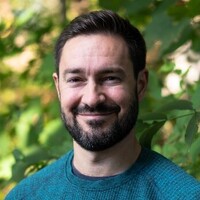 Jason Boivin is a CMPC based in Ottawa, working full-time in private practice. A former university swimmer, coach, and professor at both McGill and uOttawa, Jason has worked with multiple NSOs and PSOs over the years, supporting athletes, coaches, teams, and performers across a variety of sport and performance contexts, from teens to Olympians and Paralympians. His experiences with pressure, injury, burnout, and recovery continue to shape the way he approaches his work. His work focuses not only on performance but also on helping people enjoy sport, grow through challenge, and develop skills that carry into all areas of life.
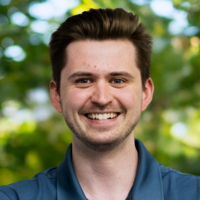 Brendan Dinsdale is a CMPC based in Ottawa. A former competitive badminton player, Brendan studied psychology at McGill before completing his graduate degree in Human Kinetics at uOttawa. His own experiences as an athlete, including hard work, pressure, burnout, and stepping away from sport, shaped his commitment to helping athletes pursue their goals in healthier and more sustainable ways. Brendan now works with athletes, coaches, and teams across youth, university, provincial, national, and professional sport contexts, including Volleyball Canada and Soccer Canada. His work focuses on helping athletes and coaches build the mental skills, awareness, and support systems needed to perform, grow, and stay connected to why they compete.
 Build Better Humans (BBH) is an Ottawa-based mental performance consulting company focused on helping athletes, coaches, parents, and sport organizations build performance and life skills through sport. Founded by Certified Mental Performance Consultants (CMPC) Jason Boivin and Brendan Dinsdale, BBH exists because too many young athletes leave sport feeling burned out, unseen, or not good enough, and too many coaches and parents are never taught how to support them. Sport should develop the whole person, not just performance.
Workshop 3: National Motor Behaviour Day: Development of an Activity-Based Knowledge Translation Toolkit for Motor Behaviour Researchers
This interactive workshop will bring together researchers, trainees, and educators in the SCAPPS community to strengthen knowledge translation (KT) and public outreach through shared expertise and collaborative action. Participants will exchange effective KT strategies, showcase practical outreach activities, and engage in structured discussions to co-develop an open-source toolkit for public engagement with the study of human movement.
A central outcome of the workshop is the founding of National Motor Behaviour Day: a coordinated annual event in which labs across Canada simultaneously deliver hands-on demonstrations and community showcases. This initiative aims to build lasting connections between researchers and the public, thereby amplifying the field’s visibility and societal impact.
Workshop planning was supported by a CIHR Planning and Dissemination Grant. Space was generously provided by the SCAPPS Ottawa Conference Planning Committee.
Speakers: April Karlinsky, Sarah Kraeutner, Gerome Manson, Heather Neyedli, Tim Welsh

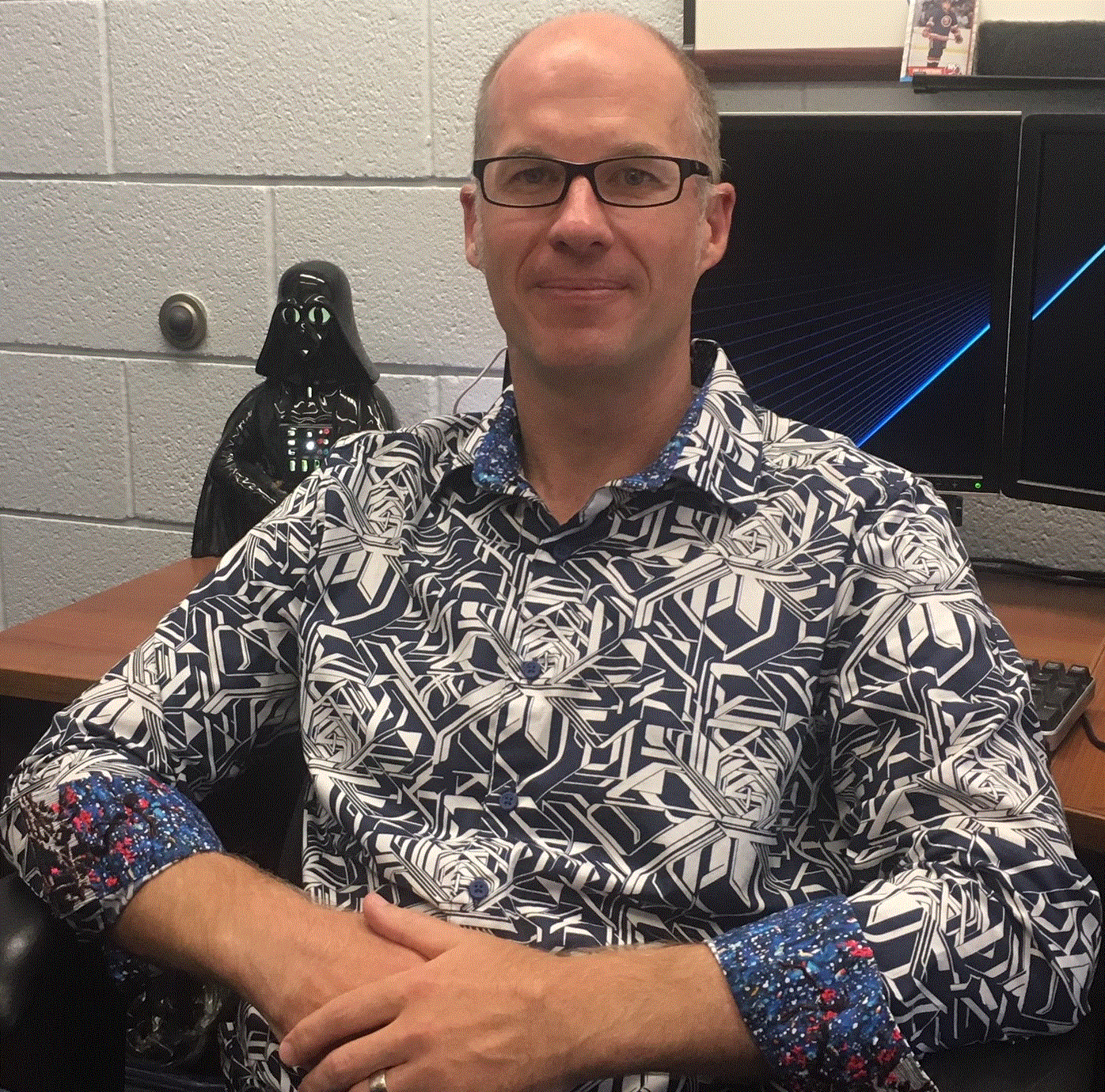
Welcome to Ottawa!
Whether you have a few hours between sessions or a couple of extra days to explore, Canada’s capital offers a perfect blend of historic charm and modern culture. Most major attractions are conveniently located within a 20-minute walk of the downtown core and the conference hotel. Start your journey at Parliament Hill, the city’s iconic Gothic Revival centerpiece, where you can take a guided tour of the Senate or House of Commons. Just steps away, you can stroll along the Rideau Canal, a UNESCO World Heritage site that transforms from a scenic boating waterway in the summer to the world’s largest skating rink in the winter. For a taste of local life, head to the historic ByWard Market to enjoy artisanal shopping, vibrant nightlife, and the legendary BeaverTails pastry. Art and history enthusiasts shouldn’t miss the striking glass architecture of the National Gallery of Canada or a quick trip across the river to the Canadian Museum of History, which offers the most famous panoramic view of the Ottawa skyline. You may also consider visiting Major’s hill park next to Parliament, along with the new lookout at Kiweki Point, or attending the Oct 2 Ottawa Redblacks CFL game vs. Hamilton at Lansdowne Park. Finally do not miss out on the many running and cycling trails along the Rideau Canal, Ottawa River, and Rideau River!
Quick Tips for Your Stay:
Transit: The O-Train Light Rail is the fastest way to get across downtown (Lyon station is connected to the conference hotel).
Dining: Elgin Street and the ByWard Market are the go-to hubs for post-conference dinners. Four Ottawa restaurants made Canada’s top 100 list in 2025
App: Download the Ottawa Tourism visitor guide for real-time event listings and maps
Should anyone have any further questions, please contact Tony Carlsen (tony.carlsen@uottawa.ca).
Submission Date: Applications for abstracts at SCAPPS 2026 will open on April 15, 2026 and close June 22, 2026 at 11:59pm EDT. The conference organizing committee does NOT intend to extend this deadline.
Submission Format: Abstracts should follow these guidelines:
- 250-word maximum
- Data analysis complete
- Abstract title that captures the essence of the research
- Include all co-authors and affiliations
- Provide a short background/literature review, purpose of the research, methods, results, and discussion.
SCAPPS Peer Mentorship Program
Attending SCAPPS for the first time (or even the second!) can be both exciting and intimidating. Whether you’re presenting, networking, or just trying to find your way around, it helps to have someone in your corner.
The SCAPPS Peer Mentorship Program is designed to connect undergraduate, master’s, and PhD students with experienced peers to help you feel confident, supported, and connected throughout the conference. Through pre-conference virtual communication and in-person meetups during the event, this program aims to create a welcoming and inclusive environment where all SCAPPS students can thrive.
Program Goals
The goals of the program are as follows:
- Help students feel more prepared heading into the conference
- Foster meaningful connections across academic stages
- Encourage engagement in sessions, keynotes, and social events
- Support student development and networking with peers and faculty
Who Can Participate?
Mentees:
- First-time or newer SCAPPS attendees (Undergrad, Master’s, or PhD students).
- Looking for support, guidance, or someone to attend conference events with.
- Interested in building connections and maximizing their experience.
Mentors:
- Upper-year Master’s or PhD students who have previously attended SCAPPS.
- Comfortable navigating the conference environment and eager to support others.
- Willing to connect with mentees before and during the conference and attend events together.
How It Works
Mentors and mentees are paired in advance of the conference (based on shared interests, degree level, etc.). Pairs will connect virtually in advance before SCAPPS to get to know one another and ask/answer questions. During the conference, mentors and mentees will meet in person and be encouraged to attend sessions, keynotes, and student events together.
Apply Now!
Interested in joining the program as a mentee or mentor? Applications are now open! Click on the link below to submit an application. Please note that acceptance to the program is subject to mentor/mentee availability.
Apply to be a Mentee: https://forms.gle/yqTPfadCMQpQo8Es7
Apply to be a Mentor: https://forms.gle/S9b6G1E3s1WPty9w9
Application Deadline: August 14, 2026 @ 11:59 pm EST.
Questions about the program? Contact Alyssa Hughes (Student Representative) at [alyssa.hughes@uleth.ca].
Click here for a helpful resource for poster/slide accessibility for those with visual impairments.
Posters should be no greater than 3 feet (width) x 4 feet (height).
Oral presentations should be 12 minutes, with an additional 3 minutes for questions.